注册一亩三分地论坛,查看更多干货!
您需要 登录 才可以下载或查看附件。没有帐号?注册账号 
x
My Client is building the agentic social network — and they are doing it as an AI-native company. They're not trying to replace human interaction. They're trying to remove friction, reduce noise, and make introductions and connections more efficient, thoughtful, and effective. That requires solid engineering and pragmatic NLP work — not demos.
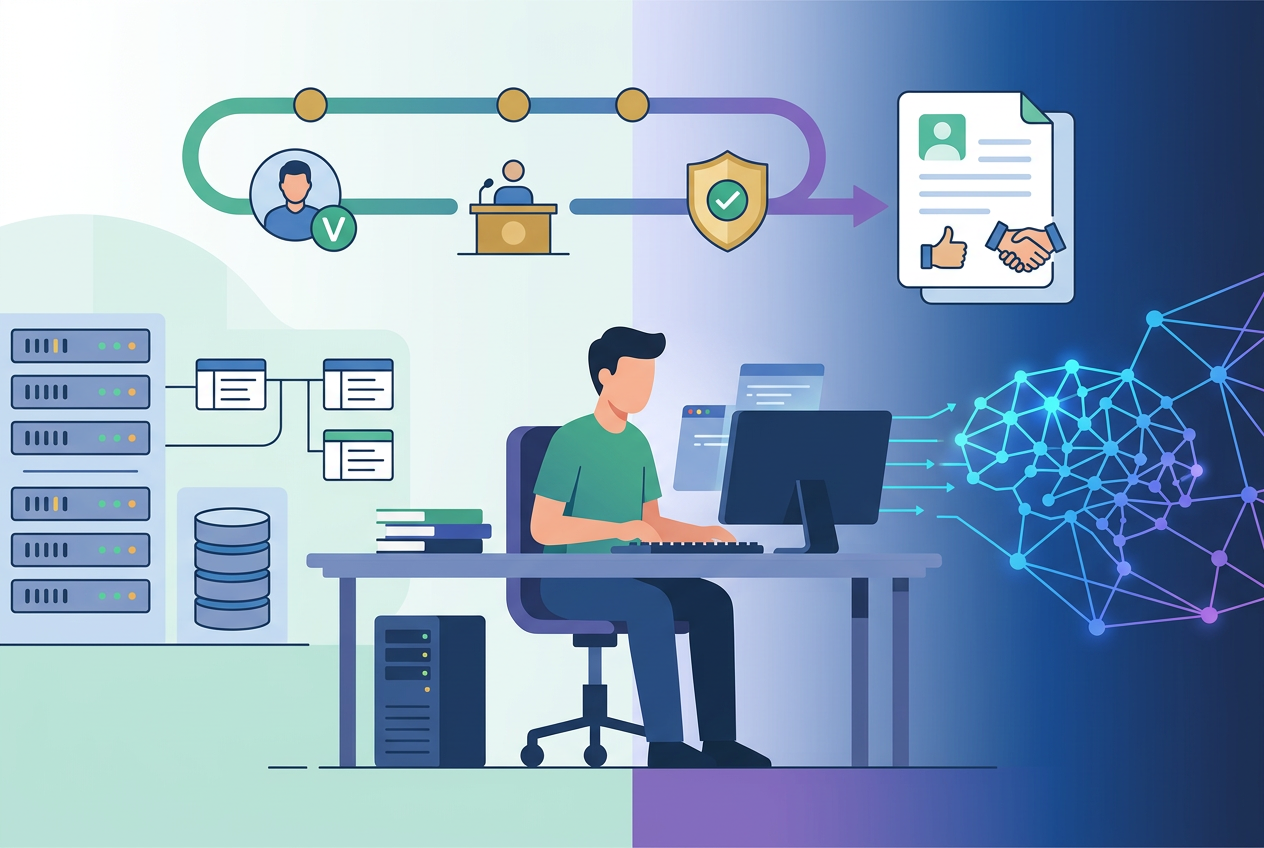
Role Overview We’re hiring a Senior NLP Engineer (Agentic AI) to help design and build the language systems that power our agents. You will work across model integration, conversation pipelines, agent orchestration, and language governance — with a focus on production reliability. Every profile runs as an AI agent that: - understands people beyond surface signals
- uncovers hidden compatibility patterns
- reduces noise and guessing
- helps people connect smarter, not louder
This role is heavily hands-on. You’ll be building, shipping, and iterating — not just prototyping.
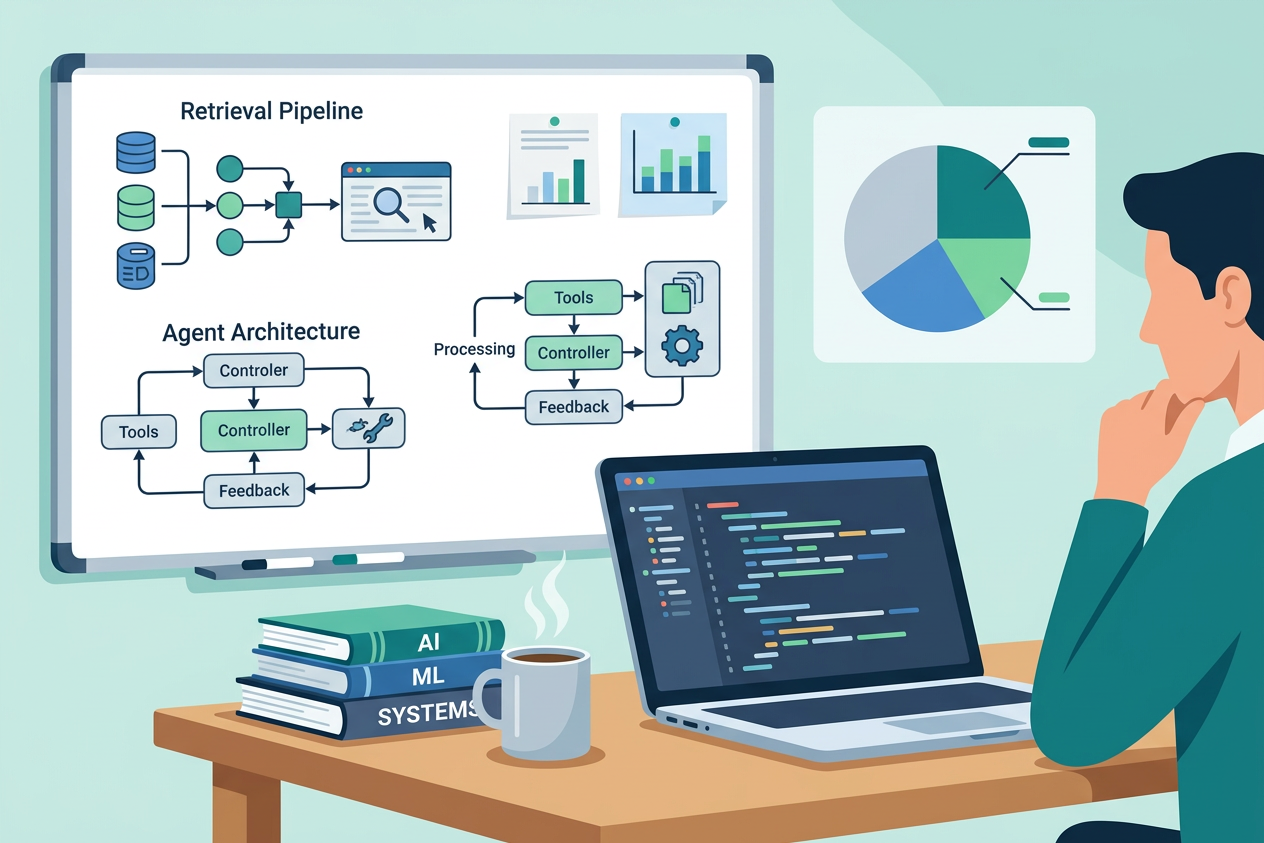
What You’ll Build - conversational systems that hold up under real usage
- retrieval pipelines where accuracy actually matters
- enrichment layers that structure messy data
- durable context + memory systems
- matchmaking and chatting logic that reveals hidden compatibility
- runtime safety and observability
Everything must be observable, testable, and maintainable.
Must-Have Experience We’re looking for an experienced builder. - 7+ years of hands-on NLP engineering in production
- 2+ years building LLM-enabled systems in production
- shipped conversational AI / multi-turn agent systems
- LangGraph and/or LangChain used in production, not just prototypes
- Proficient in TypeScript and Python
- proficient using AI coding tools like Cursor and Claude Code
- Retrieval systems + AI database using:
- MongoDB
- Redis
- AI DBs — ideally Weaviate
Nice to Have - social / dating / recommendation platforms
- trust & safety or moderation systems
- Reinforcement learning — especially TD learning (super plus)
How We Work We value engineers who: - think in systems, not just features
- ship iteratively and measure results
- design for failure modes, not just best cases
- care about how systems behave in production
- take ownership from design through deployment
| 



















 狗仔卡


 收藏
 淘帖
 好苗
 杂草
 提升卡
 置顶卡
 关贴卡
 开贴卡
 变色卡
 千斤顶