活跃农民
- 积分
- 856
- 大米
- 颗
- 鳄梨
- 个
- 水井
- 尺
- 蓝莓
- 颗
- 萝卜
- 根
- 小米
- 粒
- 学分
- 个
- 注册时间
- 2024-10-3
- 最后登录
- 1970-1-1
|
https://www.linkedin.com/posts/d...81379896877057-wFwH-baidu 1point3acres
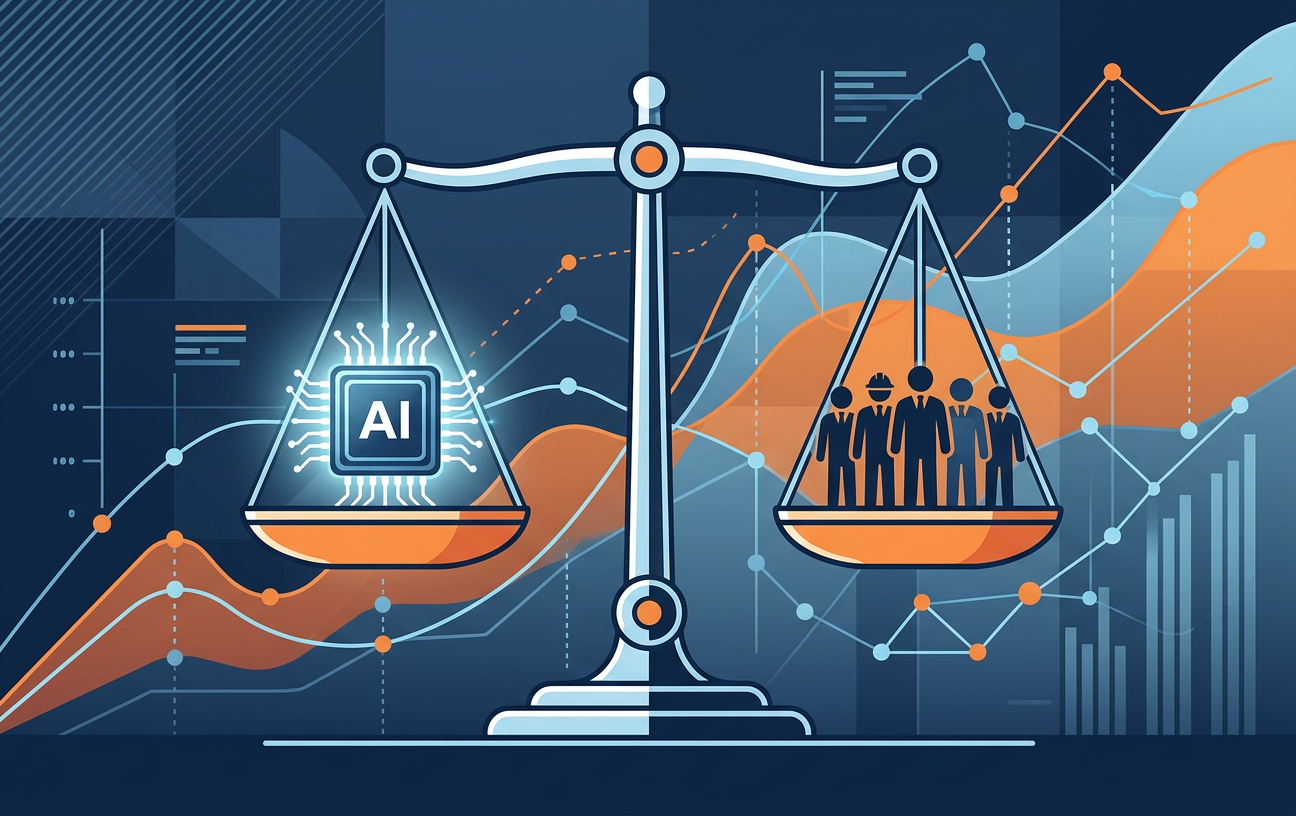
BM just reversed its own AI workforce strategy in under three years. In May 2023, IBM CEO Arvind Krishna told Bloomberg that he’d replace 7,800 jobs with AI, he froze back-office hiring, and said that 30% of 26,000 non-customer-facing roles would be automated within five years.
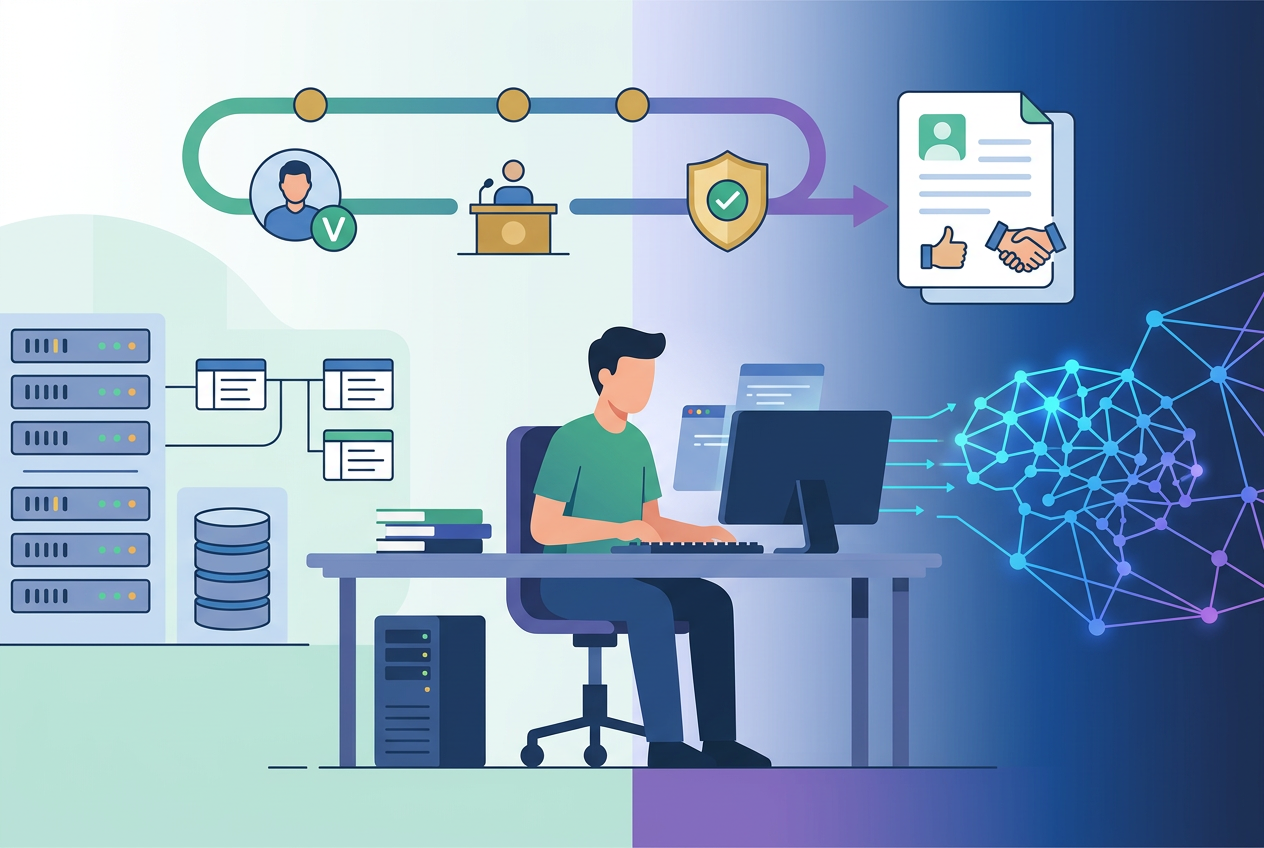
Fast forward to February 2026: IBM is tripling the number of Gen Z entry-level jobs after finding the limits of using AI. It just didn’t work so well. “We are tripling our entry-level hiring, and yes, that is for software developers and all these jobs we’re being told AI can do,” says Nickle LaMoreaux, IBM’s chief human resources officer..
The job market has bad for Gen Z. The unemployment rate among young college grads sits at 5.6%, near its highest level in more than a decade outside the pandemic. Meanwhile, executives—from Anthropic’s Dario Amodei to Ford’s Jim Farley—have warned that #AI will slash corporate entry-level jobs.
.1point3acres
But some companies are realizing that cutting young workers out of the pipeline isn’t a sustainable long-term strategy. “The companies three to five years from now that are going to be the most successful are those companies that doubled down on entry-level hiring in this environment,” LaMoreaux said.
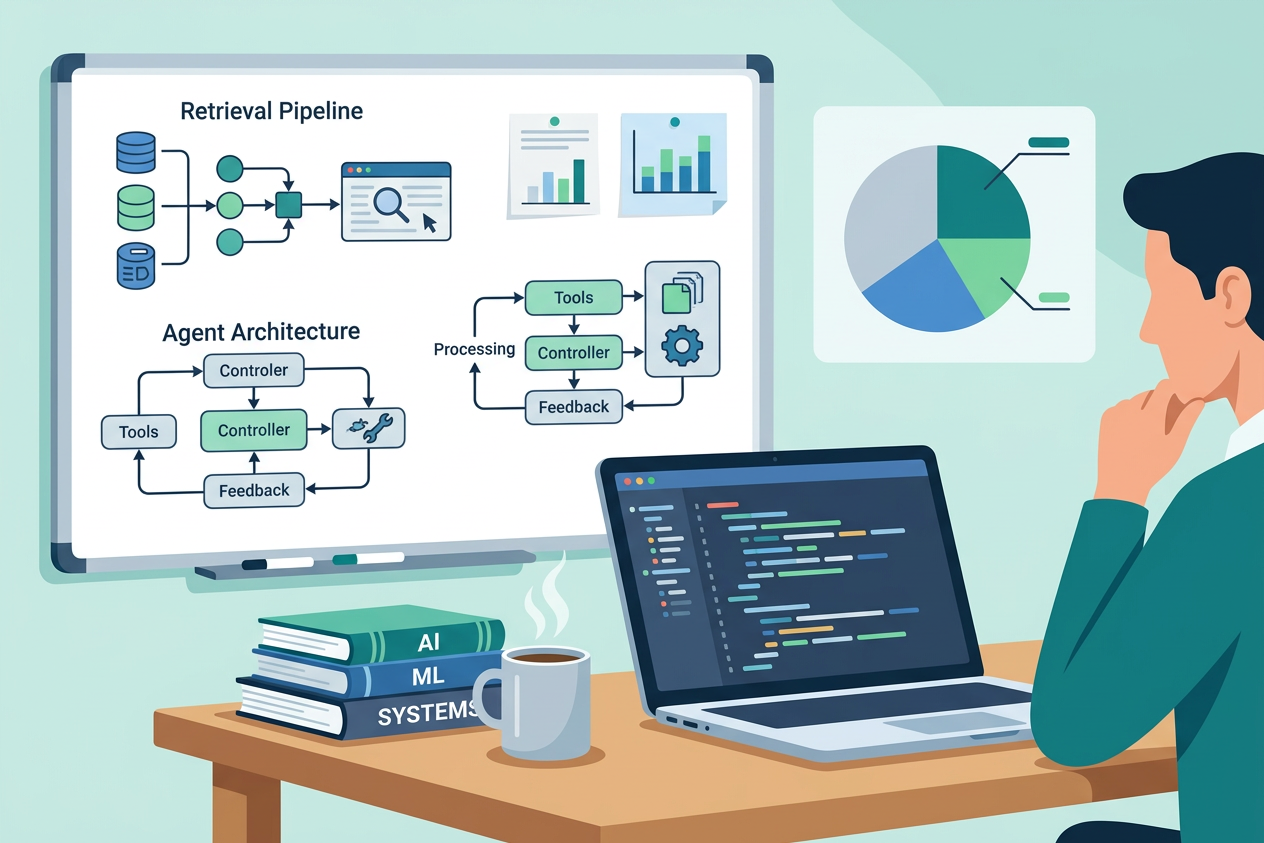
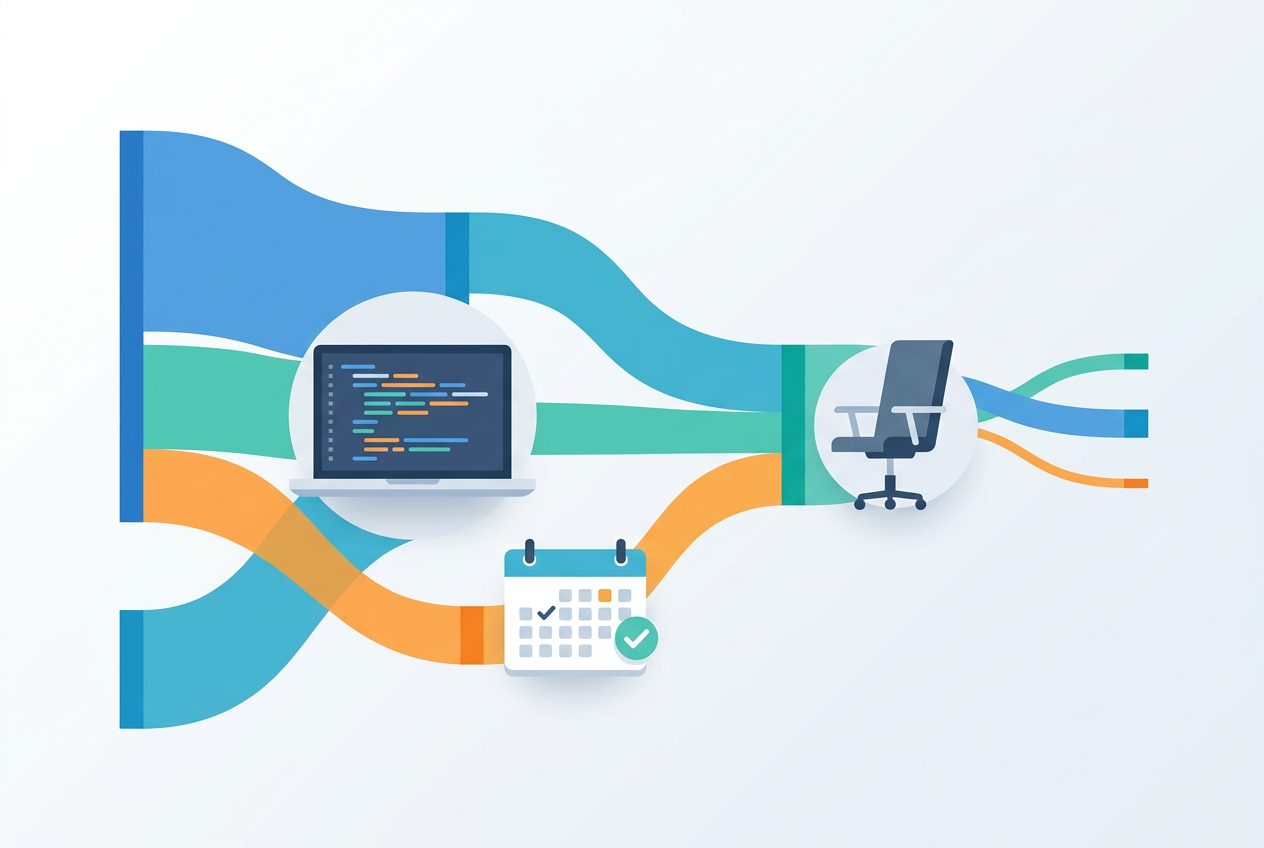
While she admitted that many of the responsibilities that previously defined entry-level jobs can now be automated, IBM has since rewritten its roles across sectors to account for AI fluency. For example, software engineers will spend less time on routine coding—and more on interacting with customers, and HR staffers will work more on intervening with chatbots, rather than having to answer every question. The shift, LaMoreaux said, builds more durable skills for workers while creating greater long-term value for the company.
One reason for doing this is because Gen Z are actually coming to work equipped with better AI skills than their older peers. They have been using it intensely for the last few years and thus they know it better than do older workers. “It’s like they’re biking in the Tour de France and the rest of us still have training wheels,” one HR person said. “Honestly, that’s how much they’re lapping us in proficiency.” |
|



















 狗仔卡