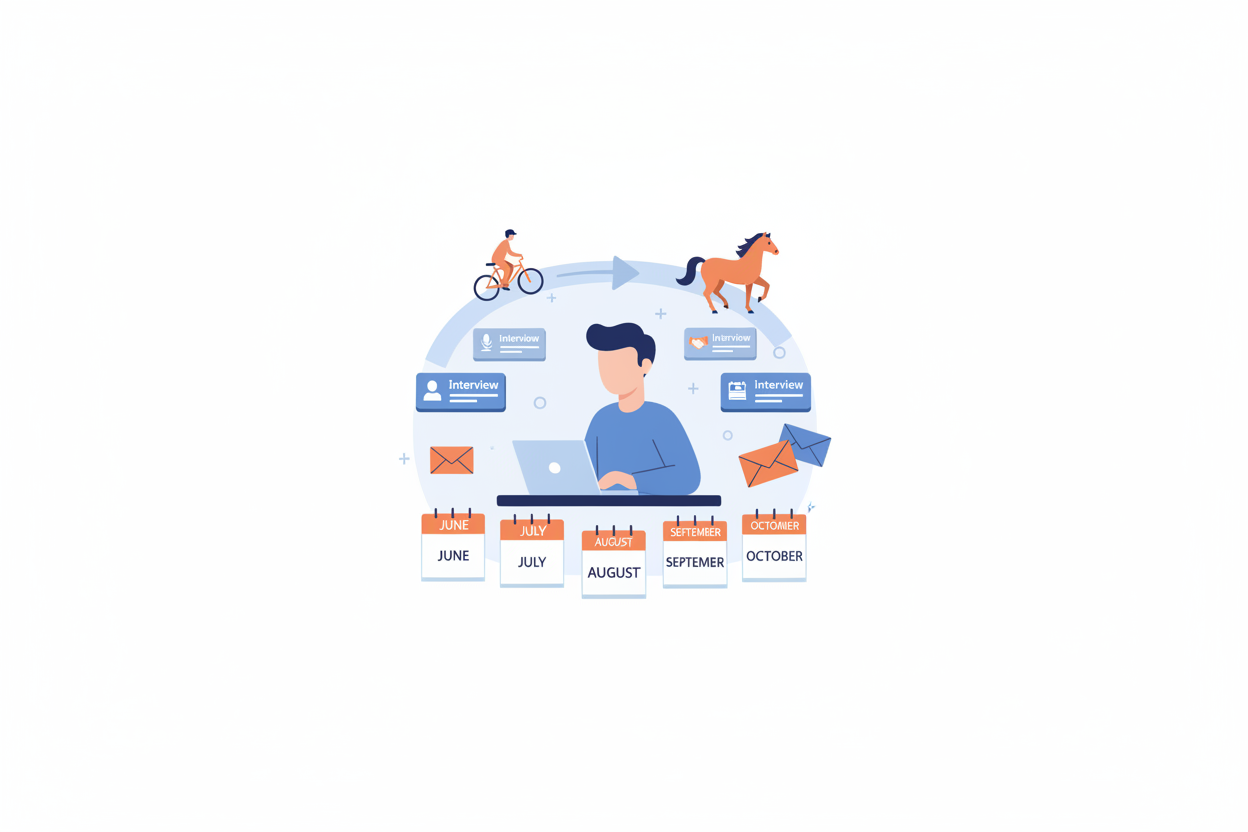
忙活了三个月左右的跳槽尘埃落定,目前有大厂Principal PMT offer, 也有小型创业公司chief of staff, CPO offer,写个product manager跳槽经验帖吧。Amazon L6 Sr PMT做了六年,多年HV升职被老板们一拖再拖,有点没意思了想换换环境。 MBA和science背景,美本。多年职场摸爬滚打,英文读写都算不错。今天写点“干货” (自认为很有用),希望也对其他的想要跳槽的PM有帮助吧,在地里也学到不少。如有大神请轻拍。
1. 准备期间
Tip 1: 一定要读crack the pm interview,至少一遍。我读了两遍,因为很多东西还是很有用的,年纪大了脑子慢了两遍才能吸收理解。这本书就算不跳槽,对在职的也有很多益处。
Tip2: 推荐Spotify上的一些频道 “The product podcast”。 内容有些参差不齐,看speaker资质。但是很多有趣的行业insight,耳朵不能闲着 (尤其是我这种有娃的,很多时候看着娃容易放空的)
Tip3: 一些有趣的website-Medium上很多很好的product mgmt的文章,我也很喜欢“Linda from product lessons”干货比例高。学习写作也有帮助,我之前有subscribe她的文章,会抽空读一读。. check 1point3acres for more.
Tip4: 我平时研究股票比较多,tech行业的exposure算还行。能够触类旁通,对各种公司的business model也有些小研究。这个可能没办法系统准备,但是一定要政治敏感,永远up to speed主流/非主流科技。
Tip5:普遍用于所有role(跳槽或者career development)-好记性不如烂笔头。很多听到看到的精华内容,如果不写下来,memory最终会fade away. 不论用evernote还是onenote,写下来的东西才会有更大的机率变成你的。面试之前复习一下,回答问题的时候也更有料,更能应对一些没有准备到的问题。
Tip6:piggyback on上一条,很多自己的经验要比较勤劳的把自己工作过的一些interesting example写下来。同时勤劳的更新resume和stay active on linkedin
2. 面试准备
Tip 1: Framework framework framework!
我喜欢用的几个framework- 4C, 5 forces, AARRR, SWO, Mutually exclusive, collectively exhaustive这几个混着用一般都够了
结尾copy paste一下我的note
Tip2: Case interview- 多practice,一共就几个大类需要准备
Product design, prioritization, launching product, metric questions
我发现youtube的两个频道很棒,如果你对这类问题不知道从何说起。悟性高一点的PM可能看10个左右以下视频,再自己叨唠以下应该就可以master这个flow了
1) Exponent- 采访一些大厂的PM回答问题 精华的几个:
Facebook Product Manager Execution Interview: YouTube Goals & Decline
https://www.youtube.com/watch?v=3Qx9cVRJ06I
Lyft Product Manager Interview: Driver Cancels
https://www.youtube.com/watch?v=fN6D4i82X_E
Google Product Manager Mock Interview: Improve Fin-Tech Product-baidu 1point3acres
https://www.youtube.com/watch?v=YUrLj8F_wAE. From 1point 3acres bbs
2) Product Alliance- 我喜欢几乎他们所有的case,很经典的回答套路
Facebook dating case
https://www.youtube.com/watch?v=3c22-SzoQA8&t=5s
facebook market place case
https://www.youtube.com/watch?v=5kN2cJ_Lqvk&t=33s. ----
Strategy- snapchat psychology
https://www.youtube.com/watch?v=_AAQ2hsX3Z0
Tip3: 如果是去tech面试,Agile prod development一定要懂切融合在答案中。最好其中带着很多自己对risk的思考。 一些idea:
Business risk - should we do this?
Social risk- can the team do this?
Tech risk- do we have the architecture to do this?
Cost/scheduling risk- trade off risk to do other projects?
还有就是trade off managment- 总的来说就是两点:1) trade off between long term vision vs short term fixes; 2) Firefighting and fire prevention.
建议准备一两个这类的例子几乎一定可以用得到。
Prod mgmt说到底就是 try to balance Building the right thing; Building the thing right; Build it fast
. Waral dи,
Ideally we should strike the balance on all 3
Tip4: 其实很重要的容易被忽视的一点就是微笑!be humble but firm! 伸手不打笑脸人。谁都想和看起来有亲和力的人一起工作。
.--
以下是我自己准备时候的一些其他note,适合start up的面试:
5 STEP Framework for Growth- AARRR
https://medium.com/@ms.mbalke/aa ... e-ship-e91d4082994b
AARRR is widely accepted as the five most important metrics for a startup to focus on. That is because these metrics effectively measure your company’s growth while at the same time being simple and actionable.
a. Acquisition-
Bulleye framework; (testing the 19 channels- outer ring and find the most effective channel- inner ring, by reducing traction and increasing value/velocity overtime. https://keymedium.com/gaining-tr ... lseye-optimization/)
What channel is driving the most traffic (#)?
What channel is driving the most valuable traffic, in other words, performs best (%) in terms of customer conversion?
What channel has the lowest customer acquisition cost ($), i.e. cost per customer converted?
b. Activation:
That’s why it’s crucial to get your user to the “Aha Moment”, which is the first time the user realizes the real value in your product, as quickly as possible so that he/she keeps coming back. The time between when the user signs up and when he says “Holy cow, I love this”, that is activation in a nutshell.
-baidu 1point3acresFacebook realized early in their growth that the “Aha Moment” for a user occurred when they acquired 7 friends in 10 days, which is why they synced your email account with Facebook to suggest friends. ..
Twitter realized that once you followed 30 people you were more likely to come back so they suggest popular accounts when you sign up. Dropbox saw that users who uploaded at least one file were much more likely to use Dropbox again and so, you guessed it, they encourage you to upload a file during signup.
c. Retention. From 1point 3acres bbs
Customer retention is the first thing I look at when I am evaluating not just a company’s marketing efforts but their entire product success.
In the words of Bill Gates :“Your most unhappy customers are your greatest source of learning”.
Third, according to Harvard Business Review it’s 5 to 25 times more expensive to acquire a new customer than to retain an existing one.
d. Referral
Two metrics you want to keep a close eye on for referrals are the Net Promoter Score (NPS), an index that ranges from -100 to 100 and measures how willing customers are to recommend your company’s products or services. It lets you know how satisfied and loyal your customers are to the brand.. check 1point3acres for more.
Net Promoter Score
Another metric to pay attention to is the Viral Coefficient. The viral coefficient is the number of users a customer refers to you. A viral coefficient of two would mean that one customer on average refers two new customers to you. Your viral coefficient needs to be larger than one to have growth. The following graph shows you the exponential user growth you can have depending on your viral coefficient, i.e. the number of people one customer refers to you.. 1point3acres
e. Revenue.google и
So what is the best way to increase revenue? By increasing your Customer Lifetime Value (CLV) and decreasing your Customer Acquisition Cost (CAC).
Your customer acquisition cost (CAC) is the amount of money you spend on acquiring your customer. That includes cost for marketing, sales, meetings, fancy dinners or whatever it takes to get your customer to convert. A good ratio of CLV to CAC for growth is 3:1
. ----
. 1point3acres
. 1point3acres
. 1point 3acres
. check 1point3acres for more.
.1point3acres
. .и
|



















 狗仔卡
狗仔卡

 收藏
收藏 淘帖
淘帖 好苗
好苗 杂草
杂草


 提升卡
提升卡 置顶卡
置顶卡 关贴卡
关贴卡 开贴卡
开贴卡 变色卡
变色卡 千斤顶
千斤顶 楼主
楼主