注册一亩三分地论坛,查看更多干货!
您需要 登录 才可以下载或查看附件。没有帐号?注册账号 
x
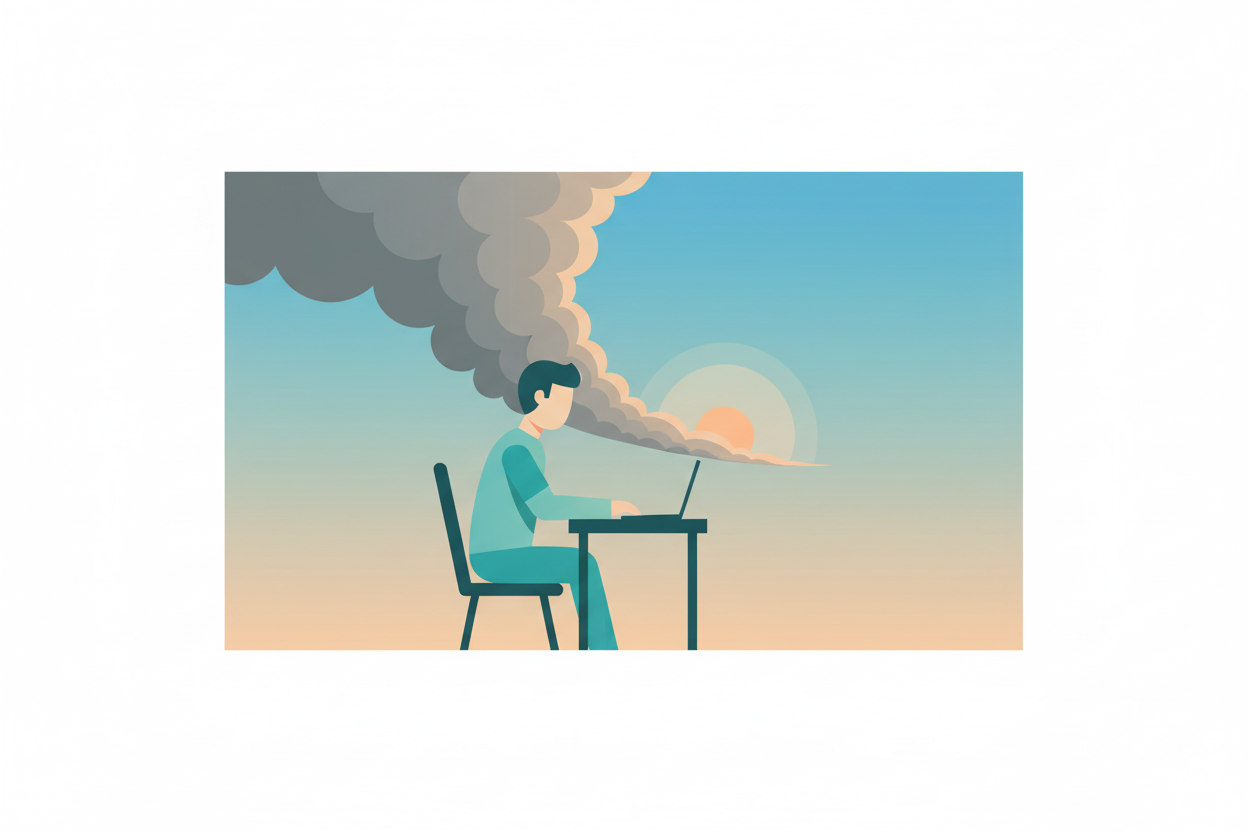
美国许多大学都计划让学生在秋季重返校园,并通知学生秋季的校园生活将和以往有很大的不同;比如在教学楼里要进行温度检测,在教室会提供口罩,将不会举行足球比赛等。但他们却忽略了一点:课堂上也许会缺少教授。
最近几天,数千名大学教师告诉学校管理人员:由于疫情还在反复,他们不愿意回去学校当面授课。虽然已经有超过四分之三的高校决定今年秋季学生可以重返校园,但遭到越来越多教师的反对。现在距离学校重新开学还有一个多月,很难预测秋季具体会有多少教授会拒绝面对面授课,所以康奈尔大学对其教师们进行的一项调查,康奈尔大学教务长Michael Kotlikoff说:调查发现约三分之一的人不同意面对面,三分之一的人“愿意且渴望亲自授课”。
宾夕法尼亚州立大学、伊利诺伊大学、圣母院和纽约州立大学等机构的教职员工都签署了请愿书,并且抱怨学校根本没有征求过他们的意见,就被“推进”教室。在宾州州立大学,一封由1000多名教职员工签署的公开信要求该校:“需要给教职工在授课、参加会议和办公时间等方面给予自主权,在校方做决定之前需要向教师确认和询问愿意以那种模式上课:远程、亲自或某种混合模式。”
62岁的宾夕法尼亚州立大学英语教授Paul M.Kellermann在《绅士杂志》(Esquire magazine)的一篇文章中写道:“一想到要在一个满是无症状患者的房间里教书,我就不寒而栗。”
70岁的加州克莱蒙特皮策学院(Pitzer College)政治研究的名誉教授丹娜·沃德说她:“在疫苗问世之前,我是不会踏上校园的,走进教室就像玩俄罗斯轮盘赌一样。”
乔治亚理工学院的ImageInstructors表示,他们上周被告知,他们必须是65岁或以上,或者有七个特定的健康状况之一,如糖尿病或慢性肺病,才有资格进行远程教学。
许多年轻的教授也有顾虑,包括潜在的健康状况:比如不能照顾在家学习的孩子,以及不想被传染给年长亲属增加危险。所以一些教师对学校将教师重返课堂作为默认同意选项感到愤怒。
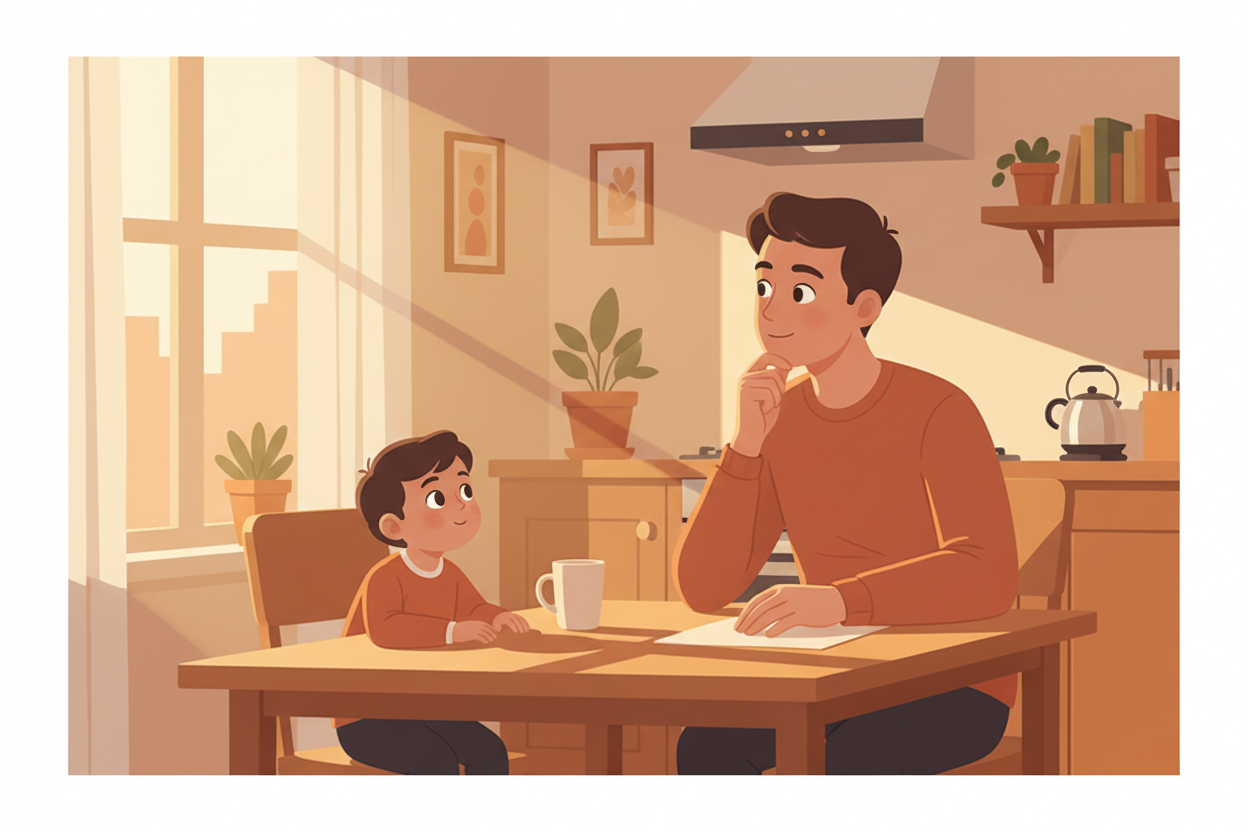
纽约州立大学科特兰分校的犯罪学副教授Anna Curtis请求允许她在家远程教学以便她可以同时照顾4岁的儿子,她说她不想在疫情期间还要争分夺秒地寻找托儿所。但是,她的请求被学校拒绝了。大学的人力资源部门告诉她,根据联邦《美国残疾人法案》,照顾孩子并不符合留在家里工作的理由,她必须休探亲假。
用句流行的话来说:教授的命也是命。尤其是白发苍苍的老教授,更是高危人群。
Most universities plan to bring students back to campus. But many of their teachers are concerned about joining them. College students across the country have been warned that campus life will look drastically different in the fall, with temperature checks at academic buildings, masks in half-empty lecture halls and maybe no football games. What they might not expect: a lack of professors in the classroom.Thousands of instructors at American colleges and universities have told administrators in recent days that they are unwilling to resume in-person classes because of the pandemic. More than three-quarters of colleges and universities have decided students can return to campus this fall. But they face a growing faculty revolt. With more than a month before schools start reopening, it is hard to predict how many professors will refuse to teach face to face in the fall. A Cornell University survey of its faculty found that about one-third were “not interested in teaching classes in person,” one-third were “open to doing it if conditions were deemed to be safe,” and about one-third were “willing and anxious to teach in person,” said Michael Kotlikoff, Cornell’s provost. Faculty members at institutions including Penn State, the University of Illinois, Notre Dame and the State University of New York have signed petitions complaining that they are not being consulted and are being pushed back into classrooms too fast. At Penn State, an open letter signed by more than 1,000 faculty members demands that the university “affirm the autonomy of instructors in deciding whether to teach classes, attend meetings and hold office hours remotely, in person or in some hybrid mode.” The letter also asks for faculty members to be able to change their mode of teaching at any time, and not to be obligated to disclose personal health information as a condition of teaching online. “I shudder at the prospect of teaching in a room filled with asymptomatic superspreaders,” wrote Paul M. Kellermann, 62, an English professor at Penn State, in an essay for Esquire magazine, proclaiming that “1,000 of my colleagues agree.” Those colleagues have demanded that the university give them a choice of doing their jobs online or in person. “Until there’s a vaccine, I’m not setting foot on campus,” said Dana Ward, 70, an emeritus professor of political studies at Pitzer College in Claremont, Calif., who teaches a class in anarchist history and thought. “Going into the classroom is like playing Russian roulette.” This comes as major outbreaks have hit college towns this summer, spread by partying students and practicing athletes. ImageInstructors at Georgia Tech said they were told last week that they would either have to be 65 or older or have one of seven specific health conditions, like diabetes or chronic lung disease, to qualify to teach remotely. Instructors at Georgia Tech said they were told last week that they would either have to be 65 or older or have one of seven specific health conditions, like diabetes or chronic lung disease, to qualify to teach remotely. Many younger professors have concerns as well, including about underlying health conditions, taking care of children who might not be in school full-time this fall, and not wanting to become a danger to their older relatives. Some are angry that their schools are making a return to classrooms the default option. And those who are not tenured said they felt especially vulnerable if they asked for accommodations. Anna Curtis, an associate professor of criminology at the State University of New York, Cortland, asked to be allowed to teach remotely from home so she could care for her 4-year-old son. She said she was worried about what she would do if he were sent home from day care for ordinary things like sniffles and a fever that could be seen as possible signs of Covid-19, and she did not want to constantly be scrambling to find child care during a pandemic. Her request was denied, she said. The university’s human resources department, she said, told her that caring for a child did not qualify as a reason to stay home under the federal Americans with Disabilities Act, and that she would have to take family leave. source
指尖新闻:高信噪比,一目了然
新冠疫情追踪
|



















 狗仔卡
狗仔卡
 收藏
收藏 淘帖
淘帖 好苗
好苗 杂草
杂草 提升卡
提升卡 置顶卡
置顶卡 关贴卡
关贴卡 开贴卡
开贴卡 变色卡
变色卡 千斤顶
千斤顶