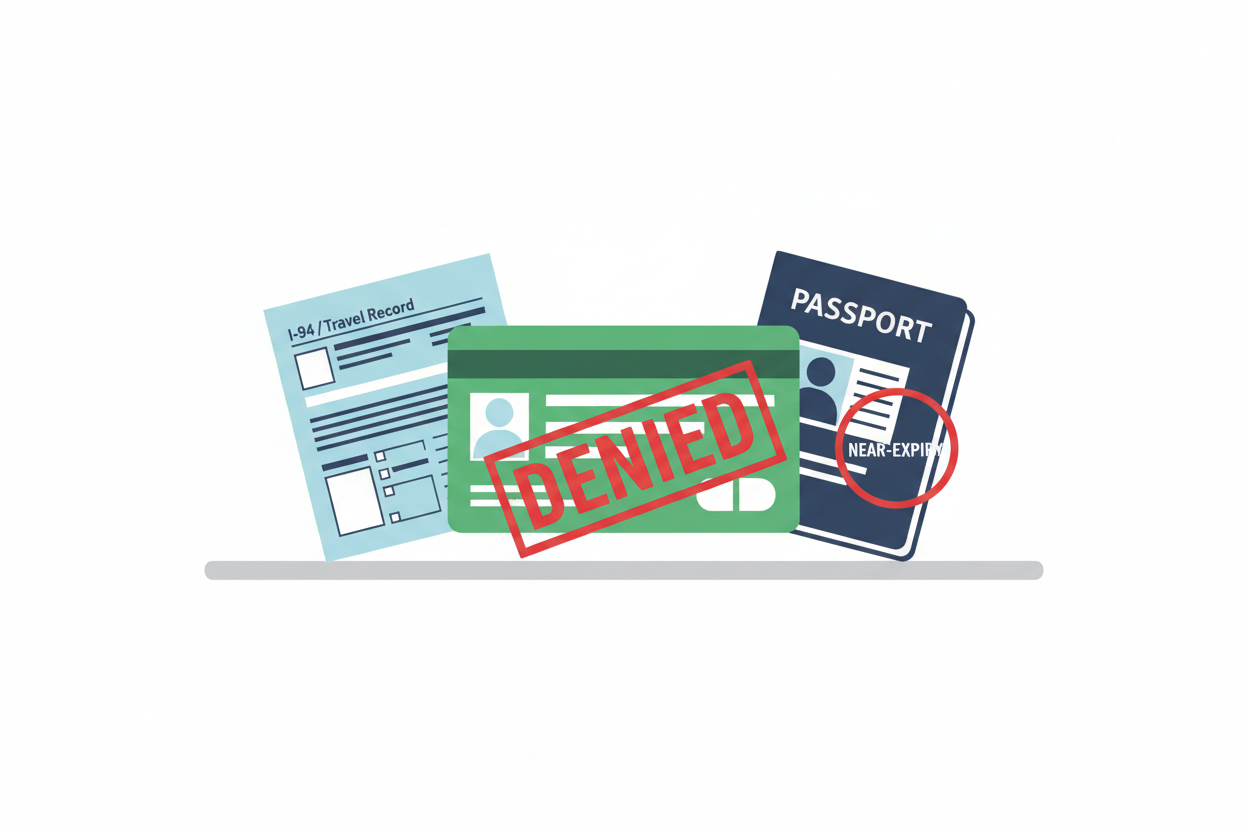
A federal judge in Washington, D.C., struck down the Trump administration’s policy barring nearly all Central American migrants and others from applying for asylum at the U.S.-Mexico border. The policy, which made migrants ineligible for asylum if they passed through a third country en route to the U.S. and didn’t seek asylum there first, took effect in September with the Supreme Court’s initial permission while litigation over the new rules continued. In his opinion late Tuesday invalidating the policy, U.S. District Judge Timothy Kelly wrote that the administration had “unlawfully promulgated” it, violating a law governing how federal policies can be implemented. The administration issued its asylum restrictions last July, bypassing the regular comment period during which the public is allowed to read the rule and provide feedback before it takes effect. Judge Kelly, who was appointed by President Trump, wrote that the administration appeared to base its need for the policy almost entirely on a 2018 article in the Washington Post, which reported that more asylum-seeking families from Central America were crossing the southern border after the Trump administration was ordered to end its policy of separating families. The judge also denied the government’s request to stay the ruling pending an appeal.
The Trump administration has argued that because of rules and a court settlement providing extra protections for migrant children and families, Central American families have been taking advantage of the U.S. immigration system to remain in the country for years as their immigration cases proceed. It isn’t clear the ruling will have an immediate, practical impact at the border. Since March, Mr. Trump has relied on a public-health law to turn back nearly all migrants at the border, without allowing them to apply for asylum, to prevent the new coronavirus from entering the U.S. via Mexico.Even before those public-health rules took effect, the new asylum policy effectively barred all migrants, other than those from Mexico, from qualifying for asylum. Asylum provides a path to citizenship. Central American and other migrants still qualify for a lesser form of protection, known as withholding of removal, but they must clear a higher legal bar to win that protection—and they can’t apply for it during the pandemic. source



















 狗仔卡
狗仔卡

 收藏
收藏 淘帖
淘帖 好苗
好苗 杂草
杂草 提升卡
提升卡 置顶卡
置顶卡 关贴卡
关贴卡 开贴卡
开贴卡 变色卡
变色卡 千斤顶
千斤顶