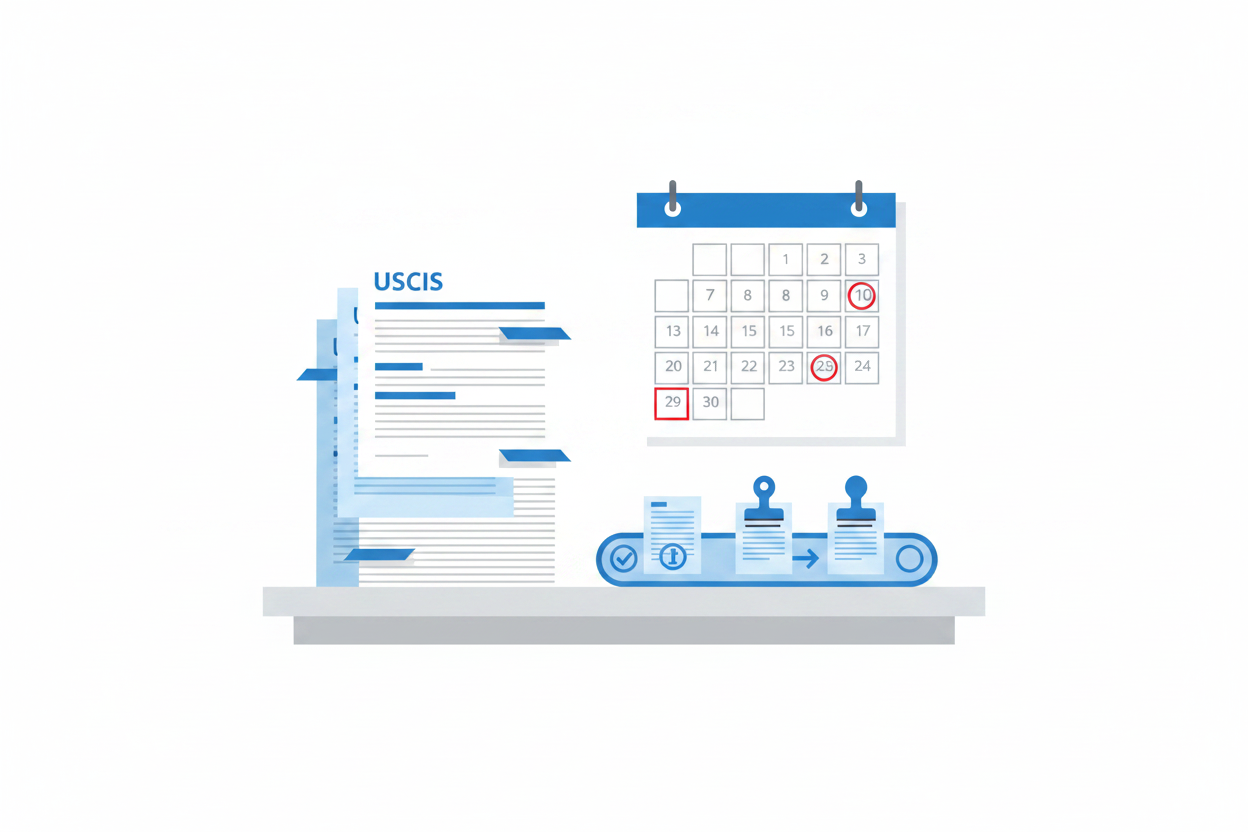
Immigration and Customs Enforcement issued eagerly awaited updates on how foreign students can enroll at U.S. universities this fall while maintaining their visas status, providing some clarity—and potentially many headaches—for schools and students mapping out their academic plans. The guidance issued Monday by ICE’s Student and Exchange Visitor Program varies depending on whether a school is offering classes entirely online, in person or a mix of the two.
ICE will allow students who stay overseas and whose colleges are teaching entirely online to take a full course load online. Students won’t be allowed to enter the country if they are attending a school with courses that are only being taught online. If students are already in the U.S., however, and classes are taught completely online, they can transfer to another school with face-to-face instruction or leave the country.
When schools are offering a hybrid option, with large lectures online and seminars still meeting face-to-face, foreign students on visas must be on-site at the U.S. campus to take a full course load. In those instances, they can take, say, two in-person and two online classes during the semester. If a school has a hybrid offering, foreign students can’t just take all their classes online, from afar.
Allowing students to take their classes online while overseas will help, but challenges remain: For example, a noon class at a school on the East Coast would be at midnight in Shanghai, so schools must decide whether to teach synchronously or allow overseas students to watch recorded lectures. Most foreign students face a simpler—but bigger—hurdle. For those starting new courses and needing fresh visas, U.S. consulates around the world have paused nearly all routine visa processing, meaning students who were accepted into programs in the spring haven”t been able to schedule the required in-person interviews to be issued their visas. Typically, a student can’t enter the U.S. on a valid visa after their program’s start date. And students from China, Brazil and most of Europe also may not be able to return to the U.S. on existing visas to attend those hybrid or in-person programs if coronavirus-related travel restrictions aren’t lifted in time for the fall semester. source



















 狗仔卡
狗仔卡

 收藏
收藏 淘帖
淘帖 好苗
好苗 杂草
杂草 提升卡
提升卡 置顶卡
置顶卡 关贴卡
关贴卡 开贴卡
开贴卡 变色卡
变色卡 千斤顶
千斤顶