阿拉伯沙漠似乎不是一个理想的饮用水来源地,然而一家来自亚利桑那州的技术公司正在执行一个项目——将阿拉伯沙漠的空气变成瓶装水。该公司名为Zero Mass Water,目标是使用可再生能源代替化石燃料,为迪拜和阿拉伯联合酋长国其他地区的海水淡化设施提供动力。他们将在距离迪拜20公里的一家工厂里,不打井或净化海水,而是从空气中提取水分来制造瓶装水。这个”空气瓶装水“项目可以为其他干涸的国家提供一个更可持续的生产饮用水的模式,甚至可以推动农业发展、改善粮食安全问题。据温哥华一家咨询公司Atmoswater Research的负责人Roland Wahlgren介绍,虽然其他地方也使用了从空气中提取水的技术,但Zero Mass Water的项目脱颖而出的原因是它的规模之大和做成瓶装水这个特色。
“装瓶厂是靠太阳能运行的,使用瓶子是可回收的,瓶盖将由竹子做成,也是可持续的。”将要购买“空气瓶装水”的阿联酋公司IBV的总经理Samiullah Khan说。据悉,Zero Mass Water不会在短时间内与散装水加工厂竞争。它最初每年只能生产230万升水--大约相当于一个奥林匹克游泳池的容量。在同样的产水量下,这仍然比海水淡化要贵得多。所以Zero Mass Water的产品将与依云和斐济等进口高端品牌处于同一档次,Khan说。它们在当地的售价约为每升10迪拉姆(2.72美元)。
The Arabian Desert scarcely seems like an ideal place to source drinking water. But an Arizona-based technology firm is doing just that, in what may be the first operation of its kind. Instead of drilling wells or purifying seawater, it will wring moisture from the air to create bottled water at a plant 20 kilometers (12 miles) from Dubai. The company, Zero Mass Water, will use renewable energy instead of the fossil fuels that power the many desalination facilities in Dubai and the rest of the United Arab Emirates. The project could offer a model for other parched nations to produce drinking water in a more sustainable way and even spur agricultural breakthroughs to improve food security. While water-from-air technology is used elsewhere, Zero Mass’s operation stands out for its size and intention to bottle the water, according to Roland Wahlgren, who runs Atmoswater Research, a consulting firm in Vancouver.
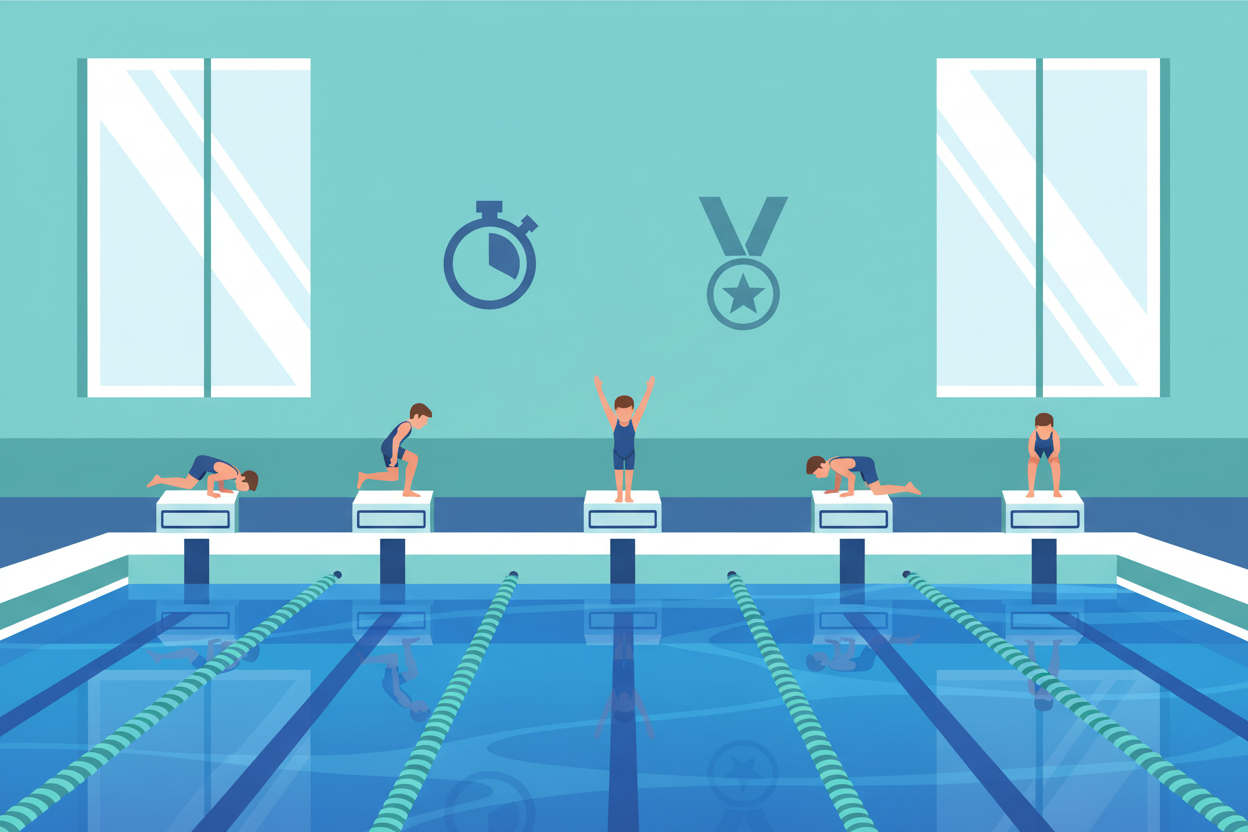
“The bottling plant is run on solar, the bottles we use are recyclable and the caps are sustainable,” said Samiullah Khan, general manager at IBV, a Emirati firm that will buy the water. The caps will be made from bamboo, he said. Zero Mass isn’t going to rival bulk water processors any time soon. It will initially only be able to produce up to 2.3 million liters annually -- about the volume of a typical Olympic swimming pool. The technology is still much more expensive than desalination for the same output of water. So Zero Mass’s will be in the same bracket as imported, high-end brands such as Evian and Fiji, said Khan. They sell locally for around 10 dirhams ($2.72) a liter. source



















 狗仔卡
狗仔卡


 收藏
收藏 淘帖
淘帖 好苗
好苗 杂草
杂草 提升卡
提升卡 置顶卡
置顶卡 关贴卡
关贴卡 开贴卡
开贴卡 变色卡
变色卡 千斤顶
千斤顶