注册一亩三分地论坛,查看更多干货!
您需要 登录 才可以下载或查看附件。没有帐号?注册账号 
x
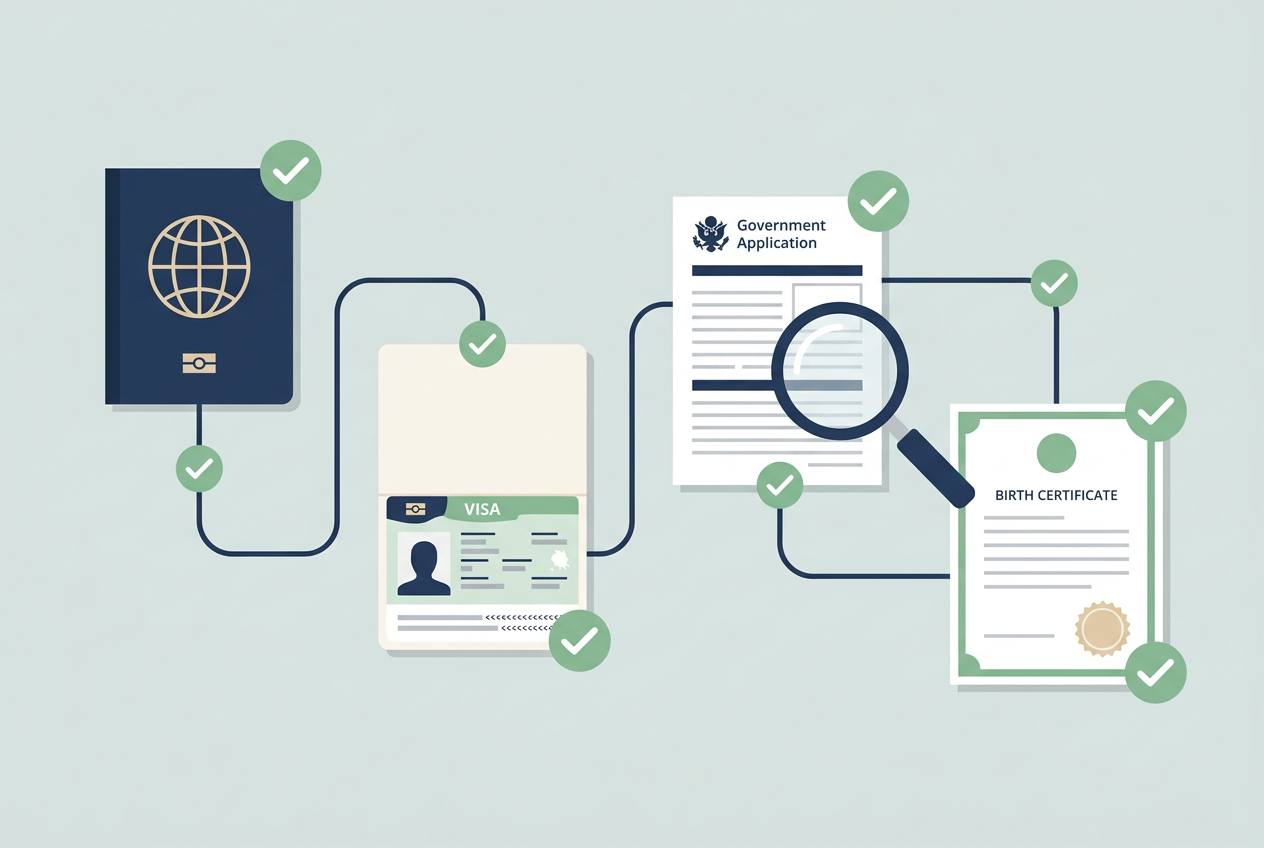
美国大学们正在为今年秋季国际学生的毁灭性下降做准备,尤其是来自中国的学生,他们中的许多人正在推迟赴美留学的计划,甚至重新考虑美国学位的价值。疫情爆发导致的旅行限制和签证预约延迟等问题,在秋季学期开始前不太可能解决,除此外,不断恶化的中美关系也导致越来越多中国留学生慎重考虑赴美留学。
来自中国无锡的18岁女孩Iris Zhou已经被威斯康星大学麦迪逊分校录取,但她在5月预约签证时发现,最早可能预约到的签证时间已经排到了11月。“如果我能拿到签证,我肯定会去,”她说。但是同时她也在担心自己可能无法获得完整的大学体验,因为有很多课程都将是远程教学。据威斯康星大学网站上的声明,大型课堂将在网上进行,而小规模的课程会在线下进行,即混合模式教学。而移民和海关执法局在周一发布的新指南很可能会更进一步阻拦像Iris Zhou这样的中国留学生进入美国大学。
在一些美国大学,国际学生占入学人数比例高达15%,在学费收入中所占比例更高。根据国际教育学院(Institute of International Education,简称IIE)的数据,2018-19学年有近37万名中国公民在美国高等教育机构注册,占所有外国学生的34%。根据商务部的数据,2018年在美外国学生用于学费和其他费用(包括生活费和书本费)的447亿美元中,中国学生占三分之一,即近150亿美元。“这么多数量的学生无法入学,对大学的影响是巨大的。”国际教育工作者协会Nafsa的高级主管Rachel Bank说。他们5月发布的一项对近600所美国高校的调查发现,88%的学校预计本学年国际学生入学率将下降,其中30%的学校预测将 "大幅 "下降。一些大学在今年更愿意招收能够支付全额费用的国内学生,但学校官员也承认他们不太可能完全填补这一缺口。
U.S. colleges are bracing for a devastating drop in international students this fall, especially ones from China, where many U.S.-bound students are now postponing plans—and even rethinking the value of an American degree. Coronavirus concerns have prompted broad travel restrictions and visa-processing delays that are unlikely to resolve before the start of the fall semester. On top of that, deteriorating U.S.-China relations are threatening what has been by far the biggest pipeline of foreign students to U.S. campuses.
Iris Zhou, an 18-year-old from Wuxi in eastern China, has been admitted to the University of Wisconsin-Madison for the coming school year, but the earliest visa appointment she could get when she applied in May was in November. “If I can get a visa, I would definitely go,” she said, though she worries she might not get a full college experience with many courses taught remotely. The school says on its website that it will offer larger lectures online, with smaller classes taught in person; it declined to comment further. New guidance issued Monday by Immigration and Customs Enforcement could hamstring Ms. Zhou and prevent other foreign students from keeping up with their courses.
At some U.S. universities, international students account for upward of 15% of enrollment—and an even higher share of tuition revenue. There were nearly 370,000 Chinese nationals, or 34% of all foreign students, enrolled in U.S. higher-education institutions during the 2018-19 academic year, according to the Institute of International Education, or IIE. Chinese students account for one-third, or nearly $15 billion, of the $44.7 billion that foreign students in the U.S. spent on tuition and other costs, including living expenses and books in 2018, according to Commerce Department data. “It’s pretty impactful for that volume of students to not be able to participate as part of a U.S. academic program,” said Rachel Banks, a senior director at Nafsa: Association of International Educators. A survey of nearly 600 U.S. colleges and universities released by the IIE in May found that 88% expected international student enrollment to decline this school year, with 30% forecasting a “substantial” decrease. Some colleges have more aggressively pursued domestic students who can pay full costs this year, but school officials acknowledge they are unlikely to entirely fill the gap. source
指尖新闻:高信噪比,一目了然
新冠疫情追踪 |



















 狗仔卡

 收藏
 淘帖
 好苗
 杂草
 提升卡
 置顶卡
 关贴卡
 开贴卡
 变色卡
 千斤顶